




Pets & Companions in D&D: Why Every Party Needs Them (and How to Use Them Well)
Pets and companions have been part of Dungeons & Dragons since the earliest editions—familiars, animal companions, summoned creatures, loyal mounts, and even strange magical tag-alongs. Yet many tables still treat them as an afterthought or a mechanical hassle.
That’s a mistake.

Players love weird pets and familiars.
When used well, pets and companions in D&D can:
-
Deepen roleplay
-
Reinforce party identity
-
Create emotional stakes
-
Add tactical options without overshadowing players
This post breaks down why pets matter, how players can use them effectively, and how DMs can incorporate companions without bogging down the game.
Why Pets and Companions Matter in D&D
1. They Add Emotional Weight to the Story
A party member might die and be resurrected. A kingdom might fall and be rebuilt.
But when the table gasps because the wolf is hurt—that’s emotional investment.
Pets and companions:
-
Give players something to protect beyond themselves
-
Make villains instantly more hateable when they threaten or harm them
-
Create quiet roleplay moments during downtime
A loyal companion is often the heart of the party.
2. They Reinforce Character Identity
A pet says a lot about its owner:
-
A ranger with a scarred war boar feels very different from one with a hawk
-
A wizard’s familiar reflects personality, not just spell choice
-
A warlock’s “pet” might be unsettling, sentient, or clearly watching
Companions act as visual shorthand for who a character is and what they value.
3. They Improve Party Cohesion
Pets naturally:
-
Create shared jokes
-
Become mascots
-
Encourage party cooperation
Even inter-party conflict often pauses when everyone agrees on one thing:
“Don’t mess with the dog.”
Types of Pets & Companions in D&D

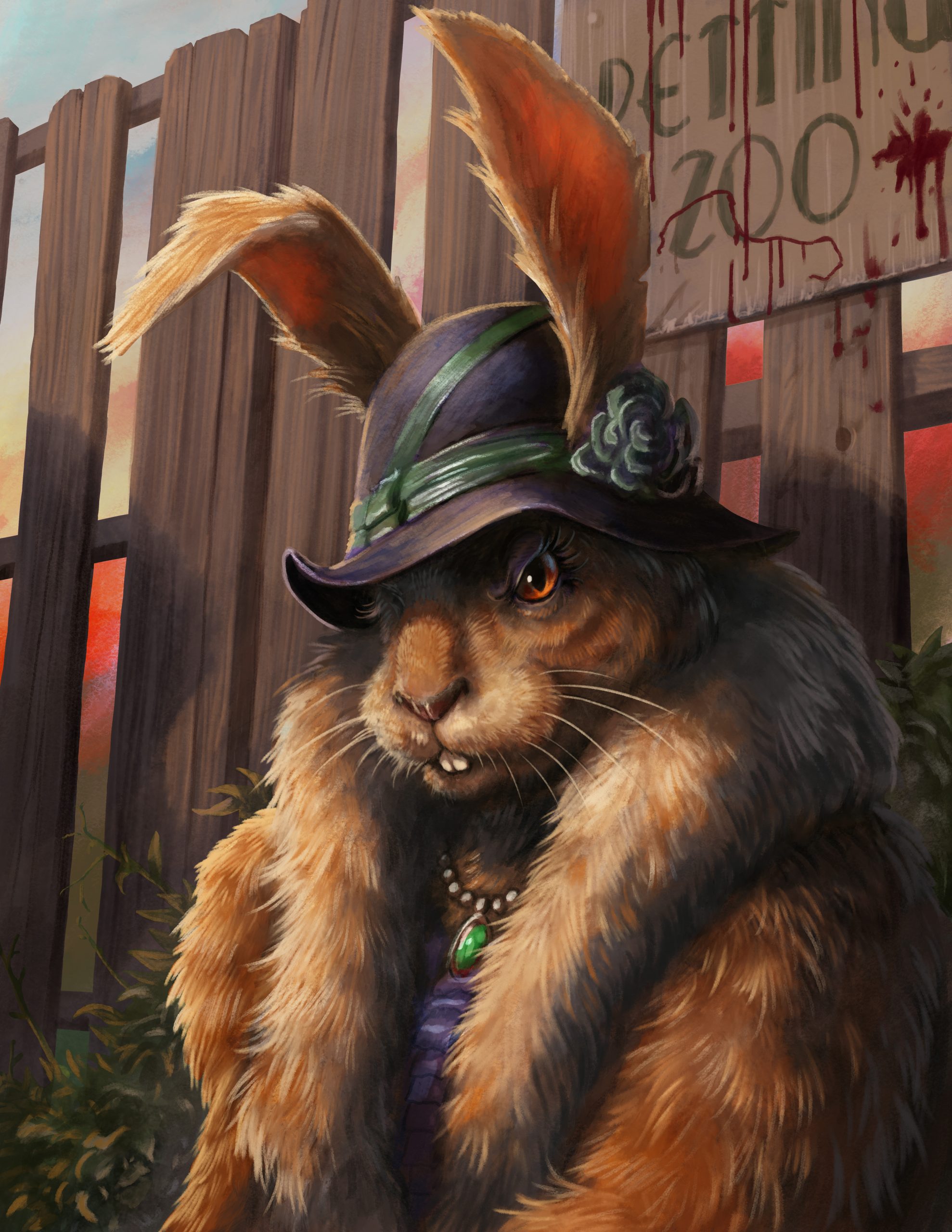
The perfect pet for a dark druid or warlock.
Not all companions need a full stat block. Consider these broad categories:
Mechanical Companions
These follow explicit rules:
-
Familiars
-
Beast Master companions
-
Steel Defenders
-
Summoned creatures
They act in combat and affect balance directly.
Narrative Companions
These exist mostly for story:
-
Camp followers
-
Magical critters
-
Young or noncombat creatures
They can help—but usually off-screen or situationally.
Hybrid Companions
A middle ground:
-
Sidekicks (Tasha’s Cauldron of Everything)
-
Magical pets with limited abilities
-
Creatures that grow over time
These are often the sweet spot for long-term campaigns.
Tips for Players: Using Pets Without Slowing the Game
1. Know Your Companion’s Abilities
If your pet has mechanics:
-
Learn them
-
Track their HP
-
Roll quickly
Nothing kills momentum faster than “Wait, what can my wolf do again?”
2. Let the Companion Support, Not Steal the Spotlight
Great uses of pets:
-
Flanking
-
Helping actions
-
Scouting
-
Delivering touch spells
-
Creating openings for allies
Less great:
-
Solving every problem
-
Dominating every fight
-
Acting like a second main character
Your companion should enhance your hero, not replace them.
3. Roleplay the Relationship
Ask yourself:
-
Is the pet obedient, stubborn, fearful, playful?
-
Does it trust everyone equally?
-
How does it react to danger or loss?
Treating your companion as a character—not a tool—makes the game richer for everyone.
Tips for DMs: Making Companions a Feature, Not a Burden

1. Set Expectations Early
Before pets enter the campaign, clarify:
-
Can they die?
-
Are they targetable in combat?
-
How much narrative protection they have
Clear boundaries prevent hurt feelings later.
2. Use Companions to Reinforce the World
Pets can:
-
Reflect regional flavor (underdark critters, planar oddities)
-
Signal factions or cultures
-
Foreshadow danger (animals reacting before threats appear)
A world with pets feels alive.
3. Grow the Companion Over Time
Instead of replacing pets, consider:
-
New tricks
-
Magical mutations
-
Bond-based abilities
-
Personality shifts after major events
This turns companions into long-term storytelling tools.
4. Threaten the Bond—Not Just the HP
You don’t need to kill pets to create tension.
Try:
-
Separation
-
Corruption
-
Temptation
-
A choice between safety and duty
Players will feel these moments deeply without feeling punished.
Optional Rules & House Rule Ideas

Party Animals
To keep pets fun and manageable, consider:
-
Shared Initiative: Pet acts on the owner’s turn
-
Bond Dice: Once per session, spend a die to boost a pet’s action
-
Narrative Immunity: Pets only die if the story demands it
-
Sidekick Progression: Level pets slowly and deliberately
These options keep companions relevant without bloating combat.
Final Thoughts: Pets Make the Party Human
In a game of gods, monsters, and world-ending threats, pets and companions:
-
Ground the story
-
Create emotional stakes
-
Turn adventurers into people
Whether it’s a wizard’s cat, a paladin’s mount, or a strange glowing thing that followed the party home and never left—pets remind us why heroes fight in the first place.
And if your villain kicks the dog?
Congratulations—you’ve created an unforgettable enemy.
Thanks for reading. Until Next Time, Stay Nerdy!!



No Comments